

Securing the cross-docking or warehousing services you need seems simple. Basically, it depends primarily on whether you need fast, low-inventory flow or storage.
But these core logistics functions sit in distinctly different slots in the shipping and supply chain stack — and understanding the distinctions between each is the first step to clear the confusion and secure advantages.
To gain a supply chain management edge, Heavy Weight Transport provides not only answers to understand cross-docking and warehousing, but also practical guidance on evaluating, questioning, and selecting partners for the best service.
1. What’s the difference between cross-docking and traditional warehousing?
In a cross‑dock or transload model, containers are unloaded, sorted, and reloaded quickly onto outbound trucks or trailers with little to no long‑term storage. Traditional warehousing, by contrast, holds freight for longer periods, supporting inventory storage, order picking, and distribution over time.
Cross‑dock facilities near the port act as “launch pads” that keep freight moving, while traditional warehouses act more like “parking lots” for inventory that needs to sit, be managed, and released gradually. The right choice depends on your lead times, inventory strategy, and how much control you need over each leg of the move.
2. How do I choose the best cross-docking service?
When choosing a cross-docking service, it’s important to verify:
- The transportation provider operates across multiple cross-dock terminals located near major ports. This ensures shippers to strip containers quickly, rework loads, and bypass unnecessary storage to cut demurrage and per-diem charges.
- Their transload and cross-dock programs are built around heavy and standard-weight containers, with teams that can rework shifted loads, consolidate to legal weights, and move freight rapidly from ocean container to trailer or rail, minimizing handling time and damage risk.
- They have proven transload and cross-dock experience, with customized cross-docking strategies for customers looking for cost savings, faster throughput, and fewer port fees, rather than offering a one-size-fits-all program.
It’s important to remember that leaving containers at the terminal longer than the designated free time invites demurrage and per diem charges that stack up quickly. By pulling containers to a nearby cross‑dock or yard, you clear the terminal on time and stop the clock on those fees, even if your outbound plan isn’t fully settled yet.
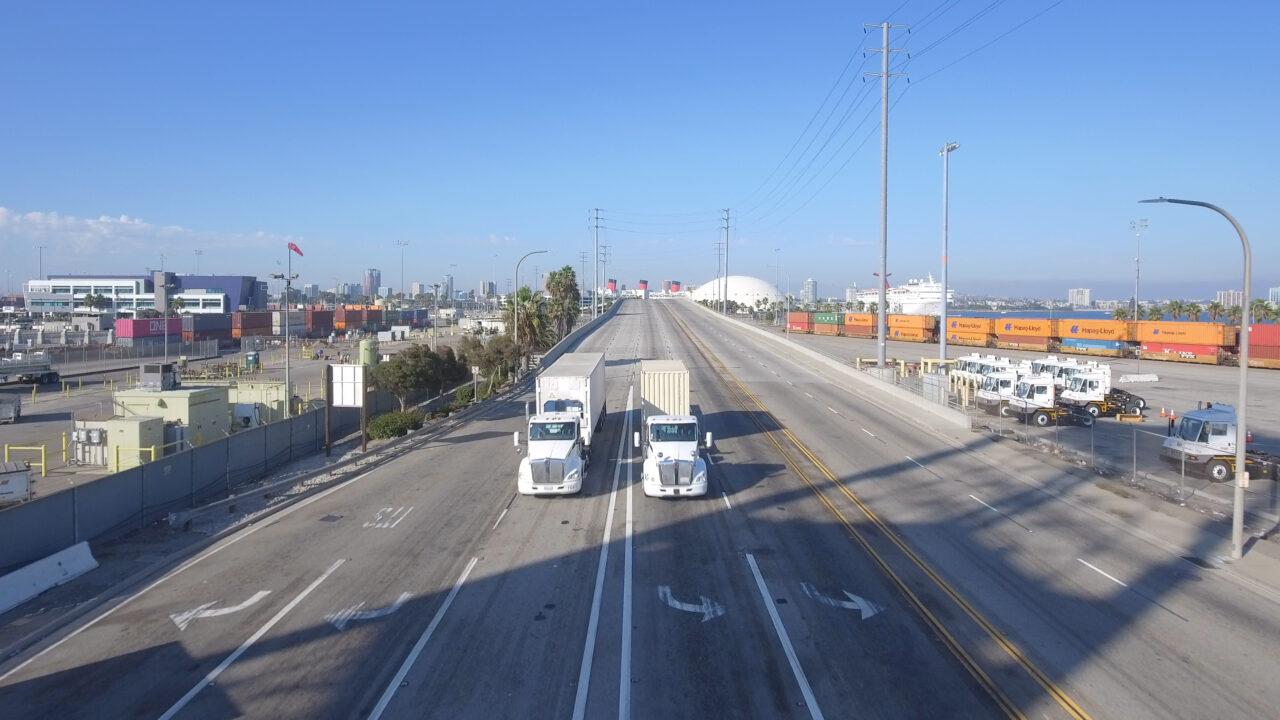
Port‑adjacent operations are designed to get containers off the terminal, handled safely, and staged or transloaded under your control instead of the terminal’s calendar. This gives your team breathing room to solve downstream issues — appointment delays, routing changes, or last‑minute customer requests — without paying a penalty for every extra day a box sits.
“A shipper can bring an overweight import container into Heavy Weight’s cross-dock near the port, have it stripped, reconfigured into legal domestic loads, and reloaded to outbound trailers or a rail boxcar the same day, avoiding both storage and overweight penalties.”
— Neil Luciano, Director of Sales, Heavy Weight Transport
3. How can warehousing benefit my cross-docking needs?
Port‑adjacent cross‑dock and transload facilities become even more powerful when they tie into a broader warehousing and visibility strategy. Instead of treating each move as a one‑off, you can design a repeatable network that uses a mix of short‑term staging, regional warehousing, and live data to keep inventory where it needs to be.
It’s important to make sure warehouse locations are set up so you can blend rapid cross‑dock turns, short‑term holding, and longer‑term storage based on your seasonality and customer demand patterns. Combined with shipment‑level visibility and consistent communication, this reduces surprises and makes your port strategy a competitive advantage rather than a recurring fire drill.
Did You Know?
Heavy Weight Transport has three warehouses inside the Overweight Container Corridor near the ports of Los Angeles and Long Beach, California — including a bonded facility, allowing shippers to store imported goods for a period of up to five years. Heavy Weight is the only resource within the corridor that handles bundled slabs and slab handling.
4. When does traditional warehousing make sense, and how does bonded long-term storage benefit certain imports?
Despite the advantages of cross‑dock and transload near a port, traditional warehousing still plays a critical role in many import strategies. If you need to hold inventory close to customers, support frequent, small orders, or buffer long production cycles, a warehouse designed for storage, picking, and value‑added services is often the better fit.
Traditional warehouses can also be optimal when your freight profile is relatively stable and predictable, and when unit‑level inventory control matters more than pushing volume through quickly. Heavy Weight helps customers decide when to warehouse freight versus when to keep it moving through cross‑dock and transload solutions
For some imports, especially those facing higher tariffs or uncertain demand, bonded long‑term storage adds another layer of flexibility. Bonded warehouses allow you to store dutiable goods for extended periods — often up to five years — without paying duties and taxes until the freight is actually released into U.S. commerce or exported.
This can be a powerful tool for managing cash flow, testing new markets, or staging slow‑moving or seasonal goods while deferring duty spend. Bonded carrier and warehouse partners help shippers align cross‑dock speed with bonded storage options, so you’re not forced into paying tariffs or storage fees before your business is ready.
5. How do I match my volume, seasonality, and product characteristics to the right cross-dock or warehouse setup?
You match your volume, seasonality, and product characteristics to the right setup by using a mix of cross-docking, transload, and contract warehousing to minimize storage while protecting service and cost.
- Use cross-docking for fast, heavy, or peak flows
- If you run high volumes, predictable lanes, or overweight imports, Heavy Weight’s cross-dock network near ports (NY/NJ, LA, etc.) lets you strip, rework, and reload containers quickly so freight moves same day with little or no storage.
- This is ideal for seasonal surges or promotional volume: you can push heavy inbound containers through their cross-dock and boxcar programs to avoid terminal demurrage, container per diem, and peak storage charges while still meeting tight delivery windows.
- Use contract warehousing for steady or slower SKUs
- For steady, year‑round volume or slower‑moving product, contract warehousing and temperature‑controlled facilities provide longer-term storage, inventory control, and value‑added handling.
- This works well when you need safety stock to buffer demand swings, support multi-channel fulfillment, or stage inventory closer to customers without overloading your cross‑docks.
- Align product characteristics with service mix
- Heavy, overweight, or sealed import loads require special attention. For instance, Heavy Weight’s multi‑axle chassis, overweight permits, and heavy-container program let you load more per box, then choose cross‑dock, warehousing, or rail boxcar transfer based on how quickly each SKU needs to move.
- Standard-weight freight that still needs fast transit can flow through cross‑docks and boxcars, while sensitive or temperature-controlled items sit in the appropriate warehouse zones until orders drop.
- Blend modes as your profile changes
- Because Heavy Weight integrates pier drayage, cross‑docking, boxcar transfers, and warehouse storage, you don’t have to pick just one model; you can start items in cross‑dock flow and spill slower SKUs into storage when forecasts or seasons shift.
Combining Cross-Docking and Warehousing with Heavy Weight Transport
The most resilient supply chains do not pick cross‑dock or warehousing once and stick with it forever; they blend both based on product, season, and risk. Heavy Weight works with importers to design port‑to‑door playbooks that use port‑adjacent cross‑dock, drayage, and bonded or traditional storage where each makes the most sense.
If your containers are lingering at the terminal, your team is fighting demurrage invoices, or your inventory is constantly in the wrong place at the wrong time, it may be time to revisit your mix of cross‑dock and warehousing.
Heavy Weight is here to talk about designing a network that keeps freight moving when it should — and safely stored, visible, and tariff‑efficient when it needs to wait.
We are your reliable resource for safely trucking and warehousing heavy and standard-weight shipping containers.